
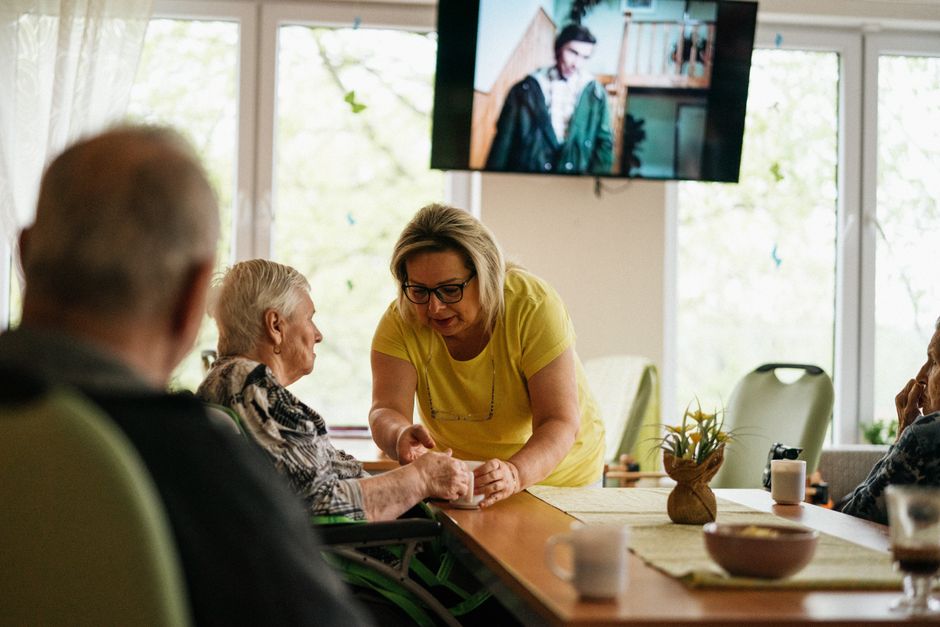
What should infection prevention look like in assisted living?
In Narberth, PA, assisted living safety depends on several connected practices: clean hands, early recognition of illness, appropriate protective equipment, safe food handling, regular environmental cleaning, and clear communication with residents and families.
Assisted living is a shared residential setting. Residents may eat together, participate in activities, share elevators or common rooms, and receive help with bathing, dressing, medications, or mobility. These daily interactions support quality of life, but they can also allow respiratory, gastrointestinal, and other infections to spread quickly.
In Pennsylvania, assisted living residences and personal care homes operate under state licensing requirements that address resident health, staff training, physical conditions, food service, and safety procedures. A residence should also maintain an infection prevention and control plan suited to its building, residents, staffing, and services.
How do assisted living communities prevent infections every day?
Routine prevention is more effective than waiting for an outbreak. Staff, residents, visitors, and outside caregivers all contribute to the safety of the community.
Common daily safeguards include:
- Handwashing with soap and water when hands are visibly dirty, after using the bathroom, before eating, and after contact with bodily fluids.
- Alcohol-based hand sanitizer in convenient locations, including near entrances, dining areas, activity rooms, and care areas.
- Cleaning and disinfecting frequently touched surfaces such as door handles, elevator buttons, railings, bathroom fixtures, tables, and shared equipment.
- Safe storage, preparation, and serving of food.
- Proper handling of laundry, waste, wound dressings, and disposable supplies.
- Staff training on gloves, gowns, masks, eye protection, and other personal protective equipment.
- Policies that discourage employees from working while sick.
Gloves do not replace hand hygiene. Hands should be cleaned before putting on gloves and after removing them. Gloves should also be changed between tasks when contamination could be transferred from one surface or person to another.
What happens when a resident develops symptoms?
Early reporting allows the residence to respond before more people become ill. A resident or family member should promptly report new coughing, shortness of breath, fever, chills, vomiting, diarrhea, unusual tiredness, confusion, dizziness, or a sudden change in behavior.
Older adults do not always show a high fever with an infection. A new loss of appetite, weakness, sleepiness, balance problem, or confusion may be an early warning sign.
A reasonable response may include:
1. Assessing the resident and contacting the appropriate medical provider.
2. Determining whether testing is needed.
3. Using source control, such as a mask, when appropriate.
4. Limiting close contact with other residents while the cause is evaluated.
5. Increasing cleaning and ventilation in affected areas.
6. Watching for symptoms among roommates, close contacts, staff, and visitors.
7. Communicating clearly about temporary precautions.
Isolation should not automatically mean complete social exclusion. Staff should balance infection control with the resident’s emotional, cognitive, and social needs. Depending on the illness, precautions may involve a private room, modified activities, meals in the room for a limited period, or carefully managed visits.
Which respiratory illnesses require special attention?
Influenza, COVID-19, and respiratory syncytial virus can cause serious complications for older adults and people with chronic health conditions. Respiratory illness may spread through droplets, aerosols, contaminated hands, and frequently touched surfaces.
Prevention plans commonly include:
- Offering recommended vaccines and helping residents understand their benefits and limitations.
- Monitoring community and facility illness levels.
- Encouraging visitors with active respiratory symptoms to postpone non-urgent visits.
- Using masks when illness levels are elevated or when a resident is symptomatic.
- Improving airflow and ventilation where practical.
- Making testing available when results could guide treatment or protective measures.
- Arranging prompt clinical evaluation for residents at increased risk of severe illness.
A common misconception is that a resident must have a fever before precautions are needed. In older adults, respiratory infection may first appear as weakness, confusion, reduced activity, or a change in appetite.
How are stomach bugs and other infections controlled?
Norovirus and similar gastrointestinal infections can spread rapidly through contaminated hands, food, bathrooms, and shared surfaces. Vomiting and diarrhea should be reported immediately, even if symptoms seem brief.
During a suspected gastrointestinal outbreak, a residence may need to increase bathroom disinfection, separate ill residents from communal meals, handle laundry carefully, and reinforce handwashing with soap and water. Hand sanitizer is useful in many situations but may not work as well against every gastrointestinal pathogen.
Residents should not prepare food for others while experiencing vomiting or diarrhea. Staff involved in food service or direct care may need temporary work restrictions according to the illness and applicable public health guidance.
Other concerns include urinary tract infections, skin infections, wound infections, conjunctivitis, and antibiotic-resistant organisms. Antibiotics should be taken exactly as prescribed. They should not be saved for later or shared with another person. Unnecessary antibiotic use can cause side effects and contribute to resistance.
What should families ask about safety procedures?
Families do not need a medical background to ask useful questions. During a visit, they can ask:
- How are new symptoms reported and evaluated?
- How are families notified about outbreaks or changes in visitation?
- Are hand sanitizer and sinks easy for residents to access?
- How often are shared spaces and mobility equipment cleaned?
- What happens if a staff member becomes ill?
- How are vaccines offered and documented?
- How are residents supported emotionally during temporary precautions?
- How does the residence handle ventilation during winter or periods of poor outdoor air quality?
- What is the plan for power outages, water interruptions, severe storms, or other emergencies?
These questions are particularly practical in a compact, walkable community such as Narberth, where many households may maintain close family, transit, school, and neighborhood connections. Seasonal cold, snow, ice, and prolonged time indoors can also increase the importance of reliable heating, safe walking surfaces, ventilation, and backup plans for medications and essential supplies.
What safety practices should residents follow?
Residents can reduce risk without avoiding normal community life. Useful habits include washing hands before meals, covering coughs and sneezes, avoiding close contact when ill, keeping personal items separate, and telling staff about symptoms early.
Visitors should avoid entering when they have vomiting, diarrhea, fever, significant coughing, or other signs of an active infection. If a visit is necessary or permitted, visitors should follow posted masking, hand hygiene, and room-location instructions.
Residents and families should also understand that infection prevention changes as conditions change. A residence may use ordinary precautions most of the time and add temporary measures during flu season, a gastrointestinal outbreak, or increased respiratory virus activity. Clear explanations help residents understand that temporary limits are intended to reduce risk while preserving as much normal activity and connection as possible.
What indicates that a residence takes infection prevention seriously?
A strong program is visible in ordinary details: staff clean their hands between tasks, supplies are easy to find, symptomatic residents are noticed quickly, shared equipment is maintained, families receive timely information, and policies are applied consistently.
No setting can eliminate every infection. The practical standard is preparedness: identifying illness early, responding proportionately, protecting higher-risk residents, and reviewing what worked after an event. Those habits help an assisted living community remain safer without treating everyday life as something to fear.
